What Is Sleep Apnea?
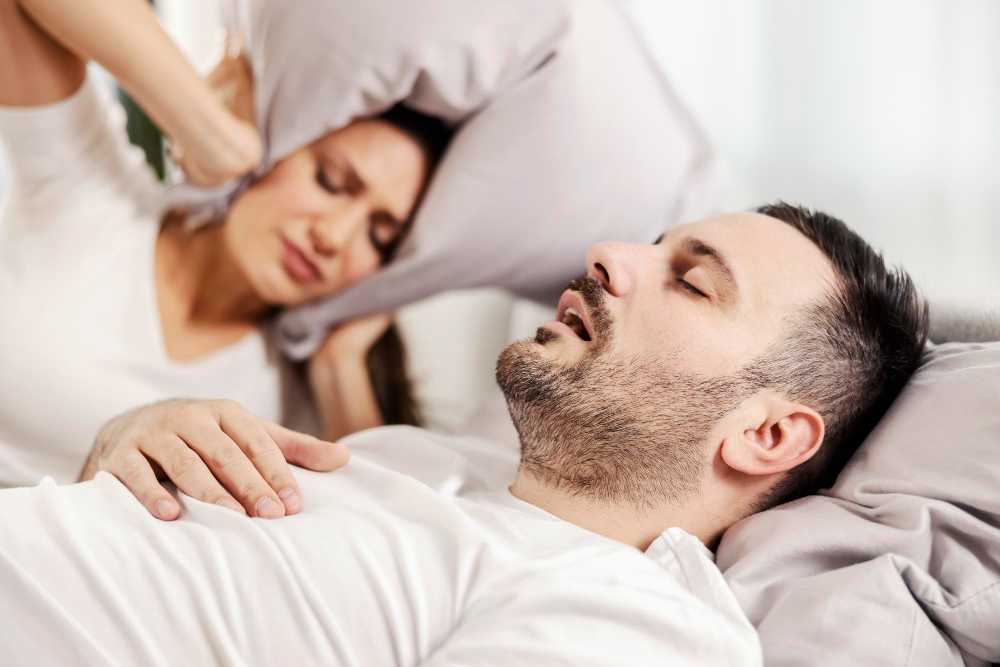
Sleep apnea is a common sleep-related breathing disorder. It causes your breathing to stop and start while you sleep. Because of this, you may feel tired during the day. There are two main types: obstructive sleep apnea and central sleep apnea. Obstructive sleep apnea happens when your throat muscles relax too much. Central sleep apnea occurs when your brain does not send the right signals to your breathing muscles. Both types can affect your health if left untreated. According to the CDC, sleep apnea can raise your risk for heart problems and other health issues.
Who Is at Risk for Sleep Apnea?
Anyone can get sleep apnea. However, some people have a higher risk. For example, certain groups are more likely to develop this sleep-related breathing disorder. These include:
Still, even young and healthy people can develop sleep apnea. Therefore, it is important to know the signs and risk factors.
Common Risk Factors
Several things can increase your risk for sleep apnea. These sleep apnea risk factors include:
Because these factors can add up, it is helpful to talk to your doctor if you have more than one.
Symptoms to Watch For
Sleep apnea often goes undiagnosed. However, there are signs of sleep apnea you can watch for. For instance, you may notice:
Sometimes, children with sleep apnea may have trouble in school or act out. Therefore, it is important to notice these changes early.
How Sleep Apnea Is Diagnosed
If you have symptoms or risk factors, your doctor may suggest a sleep study. This test checks your breathing, heart rate, and oxygen levels while you sleep. Sometimes, you can do this test at home. Other times, you may need to visit a sleep center. The results help your doctor find out if you have sleep apnea and how severe it is. Early diagnosis can help prevent other health problems.
Prevention and Lifestyle Tips
While not all cases can be prevented, you can lower your risk for sleep apnea. For example, you can:
Because small changes can make a big difference, talk to your doctor about the best steps for you.
When to See a Doctor
If you notice signs of sleep apnea or have several risk factors, it is important to seek help. For instance, if you feel tired all the time or your partner notices you stop breathing at night, do not ignore it. Early treatment can improve your sleep and protect your health. If you think you may be at risk for sleep apnea, consult an ENT specialist at The ENT Care & General Hospital for personalized advice.