
How to Choose the Right Hearing Aid for Your Type of Hearing Loss

Understanding Different Types of Hearing Loss

When learning how to choose the right hearing aid for your type of hearing loss, it helps to know the basics. There are three main types of hearing loss. Each type affects the ear in a different way. Knowing your type can guide your hearing aid choice.

  • Sensorineural hearing loss: This is the most common type. It happens when the inner ear or hearing nerve is damaged. Usually, it is permanent. Sounds may seem muffled or unclear.
  • Conductive hearing loss: This type affects the outer or middle ear. It often results from earwax, infections, or fluid. Sometimes, it can be treated with medicine or surgery.
  • Mixed hearing loss: This is a mix of sensorineural and conductive loss. Both the inner ear and outer or middle ear are involved. Treatment may combine aids and medical care.
  • Types of Hearing Aids Available

    Today, there are many hearing aid styles. Each style fits different needs and preferences. Below are the main types you may see when exploring options.

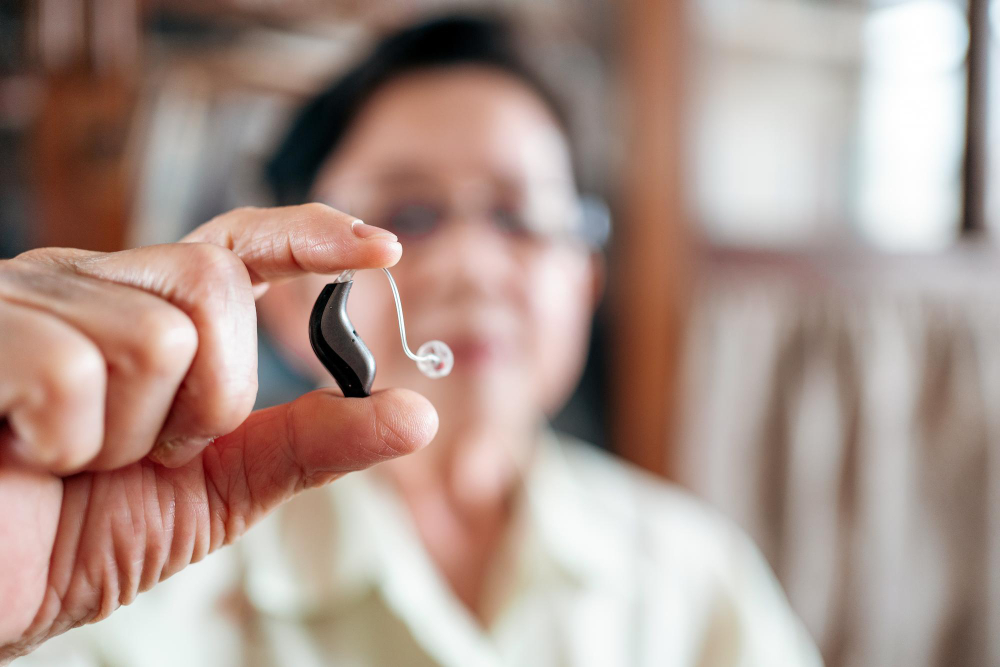
  • Behind-the-ear (BTE): Sits behind the ear. A tube connects to an ear mold. Easy to handle and fits most hearing loss types. However, it is more visible.
  • In-the-ear (ITE): Fits inside the outer ear. Less visible than BTE. Good for mild to severe loss. However, it may pick up more wind noise.
  • In-the-canal (ITC): Sits partly in the ear canal. Smaller and less visible. Best for mild to moderate loss. However, it can be harder to adjust.
  • Completely-in-the-canal (CIC): Fits deep inside the ear canal. Almost invisible. Good for mild to moderate loss. However, it has smaller batteries and fewer features.
  • Matching Hearing Aids to Your Hearing Loss

    Choosing the right hearing aid depends on your type and level of hearing loss. For example, some styles work better for severe loss, while others suit mild loss. A professional hearing test is the best way to know your needs. After the test, your provider will suggest the best options for you.

    Additionally, your ear shape and daily activities matter. Some people need aids that are easy to handle. Others want the smallest style possible. Therefore, it is important to talk with a hearing care professional before making a choice.

    Key Features to Consider When Choosing a Hearing Aid

    Modern hearing aids offer many helpful features. These features can make a big difference in your daily life. Consider your needs and lifestyle when looking at options.

  • Noise reduction: Helps you hear better in noisy places.
  • Bluetooth connectivity: Lets you connect to phones or TVs for direct sound.
  • Rechargeable batteries: No need to change batteries often. Easier for people with hand problems.
  • Directional microphones: Focus on sounds in front of you. Useful in groups or crowds.
  • Telecoil: Improves sound quality on phones or in public places with hearing loops.
  • Water and dust resistance: Good for active lifestyles or humid areas.
  • Furthermore, think about your daily routine. If you use a smartphone often, Bluetooth may be important. If you have trouble with small objects, larger aids or rechargeable options may help.

    The Fitting and Adjustment Process

    Getting a hearing aid involves several steps. First, you will have a hearing test. Next, your provider will help you pick the best style and features. After that, they will fit the aid to your ear and adjust the settings.

    After you start using your hearing aid, follow-up visits are important. During these visits, your provider can fine-tune the device. Sometimes, it takes a few tries to get the best fit. Regular check-ups help keep your hearing aid working well.

    Frequently Asked Questions About Hearing Aids

  • How long do hearing aids last? Most last three to seven years, depending on care and use.
  • Do hearing aids restore normal hearing? No, but they make sounds clearer and easier to hear.
  • Are hearing aids covered by insurance? Some plans help with costs. Check with your provider.
  • Can I try hearing aids before buying? Many providers offer trial periods. Ask about this option.
  • How do I clean my hearing aid? Use a soft, dry cloth and follow your provider’s instructions.
  • What if my hearing changes? Visit your provider for a new test and adjustments as needed.
  • Conclusion

    If you are unsure which hearing aid is right for you, Dr. Sharif Mohammed can help. Book a consultation today to get expert advice and find the best solution for your hearing needs.