What is Endoscopic Sinus Surgery?
Endoscopic sinus surgery is a modern way to treat sinus problems. Doctors use a thin tube with a camera, called an endoscope, to see inside your nose. This surgery helps clear blocked sinuses and improves breathing. Many people choose this option because it is less invasive than older methods. As a result, recovery is often faster and easier.
How Does Endoscopic Sinus Surgery Work?
During endoscopic sinus surgery, doctors use special tools through your nostrils. Because of this, there are no cuts on your face. The endoscope lets the doctor see and remove blockages, such as polyps or swollen tissue. This helps air and mucus flow better. In many cases, this surgery can relieve long-term sinus pain and pressure.
Indications: Who Needs This Surgery?
Not everyone with sinus problems needs surgery. However, your doctor may suggest endoscopic sinus surgery if:
For most people, doctors try medicines first. But if these do not help, surgery may be the next step.
Preparation: What to Expect Before Surgery
Before surgery, your doctor will review your health history. You may need a CT scan to see your sinuses clearly. In addition, you should tell your doctor about any medicines you take. Sometimes, you may need to stop certain medicines before surgery. Your doctor will give you clear instructions. Most people should not eat or drink after midnight before the procedure. Always follow your doctor’s advice for the best results.
The Procedure: Step-by-Step Overview
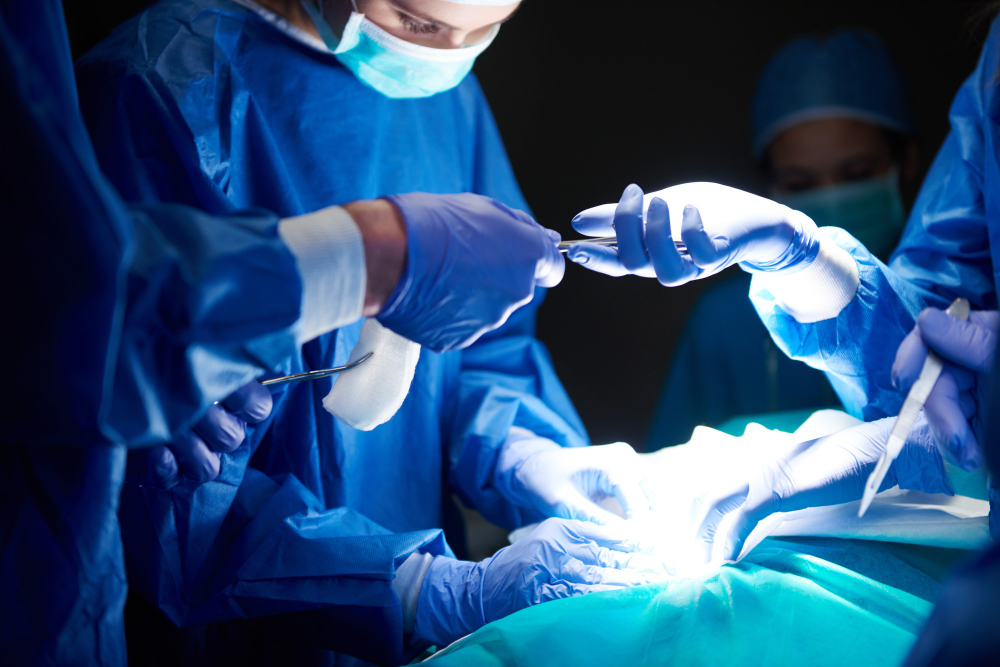
Endoscopic sinus surgery usually takes one to three hours. Here is what you can expect:
Because the surgery is done through your nose, there are no visible scars.
Recovery and Aftercare
After surgery, you may feel tired for a few days. It is normal to have some bleeding or stuffy nose. However, most people return to normal activities within a week. Your doctor may give you nasal sprays or rinses to keep your nose clean. You should avoid heavy lifting and blowing your nose for at least a week. Always attend follow-up visits to make sure you are healing well.
Risks and Possible Complications
Like any surgery, endoscopic sinus surgery has some risks. Although problems are rare, they can include:
Because your doctor uses a camera, the risk of serious problems is low. Still, it is important to follow all aftercare instructions.
Tips for a Smooth Recovery
To help your healing, try these tips:
If you notice heavy bleeding, fever, or vision changes, contact your doctor right away.
Frequently Asked Questions
In summary, endoscopic sinus surgery is a safe and effective way to treat stubborn sinus problems. If you have ongoing sinus issues, Consult Dr. Sharif Mohammed at The ENT Care & General Hospital to discuss if endoscopic sinus surgery is right for you.