
What Are Adenoids?
Adenoids are small, soft tissues located at the back of the nose. They help protect children from germs. However, adenoids are not visible through the mouth. Instead, they sit high behind the nose, above the roof of the mouth. In young children, adenoids play a key role in fighting infections. As children grow older, adenoids usually shrink and become less important. But, sometimes, they can become enlarged and cause problems.
Why Do Adenoids Enlarge in Children?
Often, adenoids grow bigger due to frequent infections. For example, colds or throat infections can make them swell. Allergies may also cause adenoids to enlarge. In some cases, children are simply born with larger adenoids. Because their immune systems are still developing, children are more likely to have enlarged adenoids than adults. Over time, most children’s adenoids shrink on their own.
Common Signs and Symptoms Parents Should Notice
Enlarged adenoids can cause many symptoms. Early detection helps prevent further problems. Watch for these signs in your child:
Sometimes, children may also have trouble eating or speaking clearly. If you notice these signs, it is important to pay attention.
How Is Adenoid Enlargement Diagnosed?
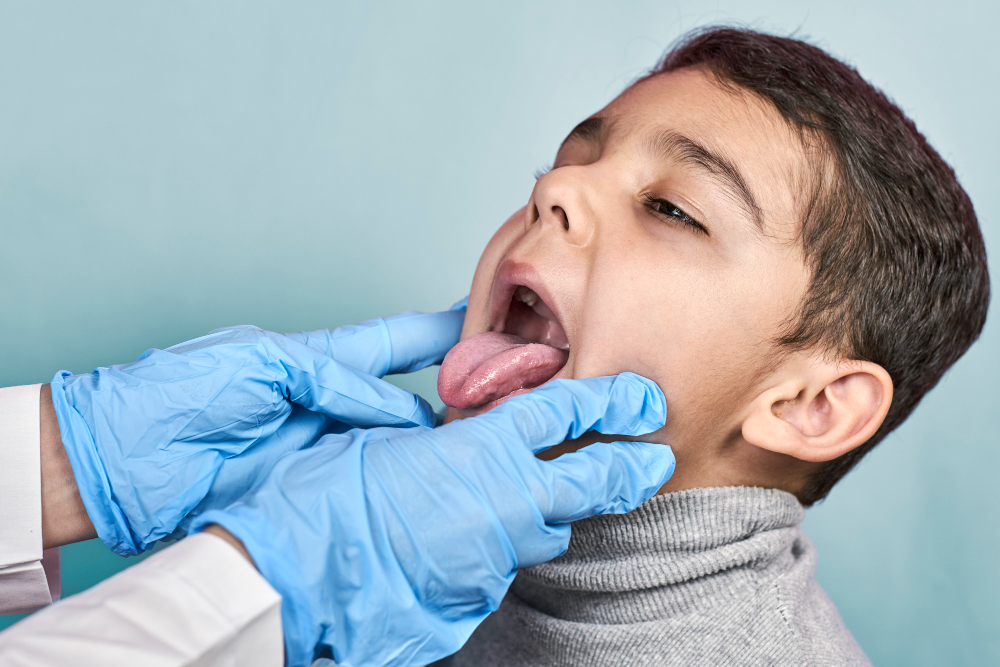
First, a doctor will ask about your child’s symptoms. Next, they may examine your child’s mouth, nose, and throat. Sometimes, a small mirror or a flexible camera is used to see the adenoids. In some cases, an X-ray helps show the size of the adenoids. Because symptoms can look like other problems, a visit to an ENT specialist for kids is often needed. The specialist can confirm if adenoid enlargement in children is the cause.
Treatment Options for Enlarged Adenoids
Treatment depends on the severity of the symptoms. For mild cases, doctors may suggest:
However, if symptoms are severe or do not improve, surgery to remove the adenoids (adenoidectomy) may be recommended. According to the American Academy of Otolaryngology, this is a common and safe procedure for children.
Tips for Parents: When to Seek Medical Help
It is important to know when to call a doctor. Seek help if your child:
Early treatment can prevent further health issues. Therefore, do not wait if you notice these signs of enlarged adenoids.
Prevention and Home Care Guidance
While you cannot always prevent adenoid enlargement in children, you can help lower the risk. Try these tips:
If your child has mild symptoms, help them breathe easier by using a humidifier in their room. Also, keep their nose clear with gentle saline sprays. But, always talk to your doctor before starting any new treatment at home.
In summary, adenoid enlargement in children can cause many signs that parents should watch for. If you notice these symptoms, consult an ENT specialist at The ENT Care & General Hospital for personalized advice.