What is a Cochlear Implant?
A cochlear implant is a small electronic device. It helps people with severe hearing loss hear sounds again. Unlike hearing aids, which make sounds louder, cochlear implants send signals directly to the hearing nerve. As a result, many people can understand speech and enjoy daily sounds. Cochlear implants are a proven hearing loss treatment option for those who do not benefit from regular hearing aids.
Who is a Candidate for Cochlear Implants?
Not everyone with hearing loss needs a cochlear implant. However, you may be a candidate if you:
Children as young as 12 months old may also qualify. Still, doctors will check each case carefully. In many cities, hearing specialists offer detailed evaluations to see if a cochlear implant is right for you.
Symptoms and Impact of Severe Hearing Loss
Severe hearing loss can affect daily life in many ways. For example, you may notice:
Because of these challenges, people may feel lonely or frustrated. Over time, severe hearing loss can impact work, school, and relationships. Early treatment, such as restoring hearing with cochlear implants, can help improve quality of life.
How Cochlear Implants Work
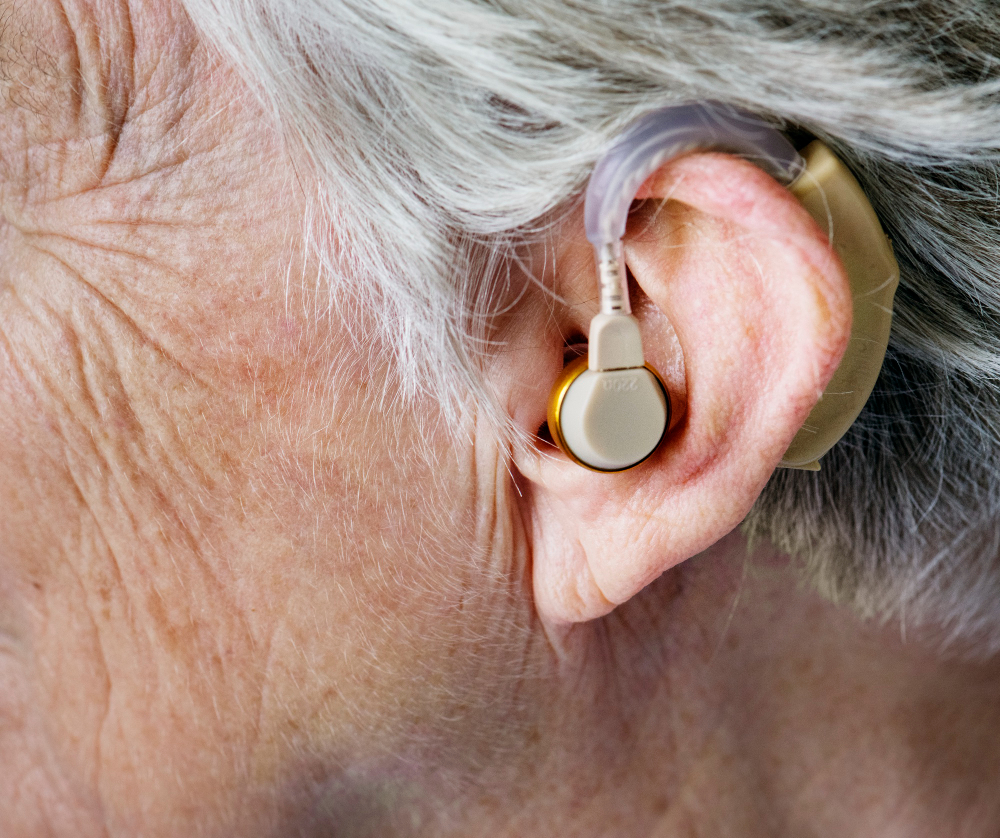
Cochlear implants have two main parts. First, a small device is placed under the skin behind the ear. Second, a sound processor sits outside the ear. The sound processor picks up sounds and sends them to the implant. Then, the implant changes these sounds into signals. These signals travel to the hearing nerve, which sends them to the brain. Because of this process, many people can hear speech and sounds more clearly.
The Cochlear Implant Procedure: Evaluation, Surgery, and Activation
Getting a cochlear implant involves several steps. First, doctors do a full hearing test and medical check-up. Next, you meet with a team to discuss your needs and goals. If you qualify, the next step is surgery. The surgery usually takes a few hours and is done under general anesthesia. Most people go home the same day or the next. After healing, the implant is activated. During this visit, the sound processor is turned on, and you start hearing new sounds. Over time, your brain learns to understand these sounds better.
Benefits and Potential Risks of Cochlear Implants
Cochlear implants offer many benefits for people with severe hearing loss. For instance, you may:
However, there are some risks, as with any surgery. These may include infection, device problems, or changes in taste. Rarely, some people may not get the results they hoped for. Still, most people find that the benefits outweigh the risks. Doctors will explain all possible risks before the procedure.
Life After Cochlear Implantation: Rehabilitation and Outcomes
After getting a cochlear implant, you will need follow-up care. Speech therapy and listening practice help your brain adjust to new sounds. Because everyone learns at their own pace, progress may take weeks or months. Many people notice big improvements in hearing and communication. Children often do well in school and social life with early support. Adults can return to work and enjoy hobbies. Support from family, friends, and hearing specialists is very important during this time.
Prevention and Early Detection of Severe Hearing Loss
While not all hearing loss can be prevented, some steps can help. For example:
Early detection makes a big difference. If you or a loved one struggles to hear, consult hearing specialist Dr.Sharif Mohammed. In many areas, clinics offer hearing loss treatment options, including cochlear implants, to help restore hearing and improve quality of life.