
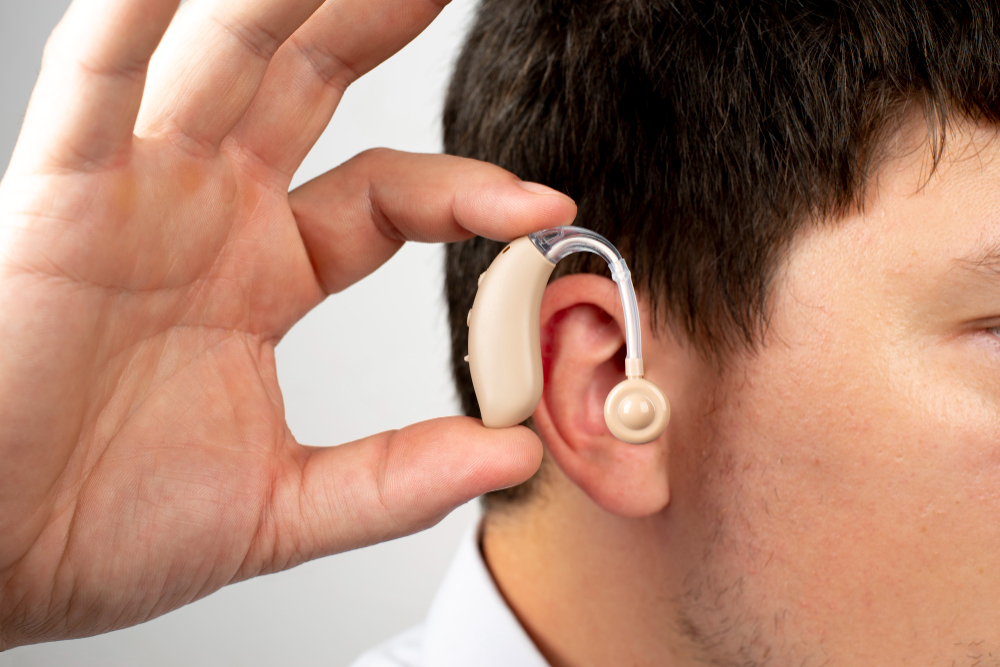
What Are Hearing Aids?
Hearing aids are small electronic devices that help people hear better. They make sounds louder and clearer. Many adults and children use hearing aids to improve their hearing. According to the World Health Organization, over 430 million people worldwide need help with hearing loss. Because hearing aids can make a big difference, they are a popular choice for many.
Common Types of Hearing Aids
There are several types of hearing aids. Each type has its own features. For example, some are small and fit inside the ear, while others sit behind the ear. Here are the most common types:
How Hearing Aids Work
Hearing aids pick up sounds with a microphone. Then, they make the sounds louder using a small amplifier. After that, the sounds go into your ear through a speaker. Most modern hearing aids use digital technology. This means they can filter out background noise and focus on speech. As a result, you can hear conversations more clearly, even in noisy places.
Benefits of Using Hearing Aids
There are many hearing aid benefits. For instance, they help you hear better in daily life. Here are some key benefits:
According to the CDC, using hearing aids can also lower the risk of depression linked to hearing loss.
How to Choose the Right Hearing Aid
Choosing the best hearing aids for adults or children depends on your needs. First, think about your hearing loss level. Next, consider your lifestyle and budget. Here are some steps to help you decide:
Because everyone is different, what works for one person may not work for another. For this reason, it is important to get advice from a professional.
Tips for Care and Maintenance
Proper care helps your hearing aids last longer. In addition, it keeps them working well. Here are some easy tips:
Frequently Asked Questions About Hearing Aids
Do hearing aids restore normal hearing?
No, hearing aids do not restore normal hearing. However, they make sounds clearer and easier to hear.
Are hearing aids comfortable to wear?
Most people get used to wearing hearing aids after a short time. Because there are many styles, you can find one that feels right for you.
How long do hearing aids last?
With good care, hearing aids can last three to seven years. Still, you may need to replace them if your hearing changes.
Can I use hearing aids with my phone?
Yes, many modern hearing aids connect to smartphones using Bluetooth. This makes it easy to take calls or listen to music.
Conclusion
Hearing aids can greatly improve your quality of life. They help you stay connected and enjoy everyday sounds. If you think you need help with your hearing, consult a hearing specialist Dr. Sharif Mohammed for personalized advice on hearing aids.