What Are Nasal Polyps?
Nasal polyps are soft, painless growths inside the nose. They often form in the lining of your nasal passages or sinuses. Because they are noncancerous, they are not usually dangerous. However, they can block airflow and make breathing harder. Many people seek treatment for nasal polyps to improve their comfort and health. Nasal polypectomy is one common solution for these growths.
Symptoms and Impact on Daily Life
Although some people have no symptoms, nasal polyps can cause problems. For example, you may notice:
Because these symptoms can affect sleep and daily activities, many people look for effective ENT solutions for nasal polyps. In some cases, untreated polyps can lead to sinus infections or breathing issues.
Causes and Risk Factors
Doctors do not know the exact cause of nasal polyps. However, several factors may increase your risk. For instance, you may be more likely to develop polyps if you have:
Additionally, a family history of nasal polyps can raise your risk. Because these factors can vary, it is important to talk with your doctor if you notice symptoms.
Diagnosis Methods
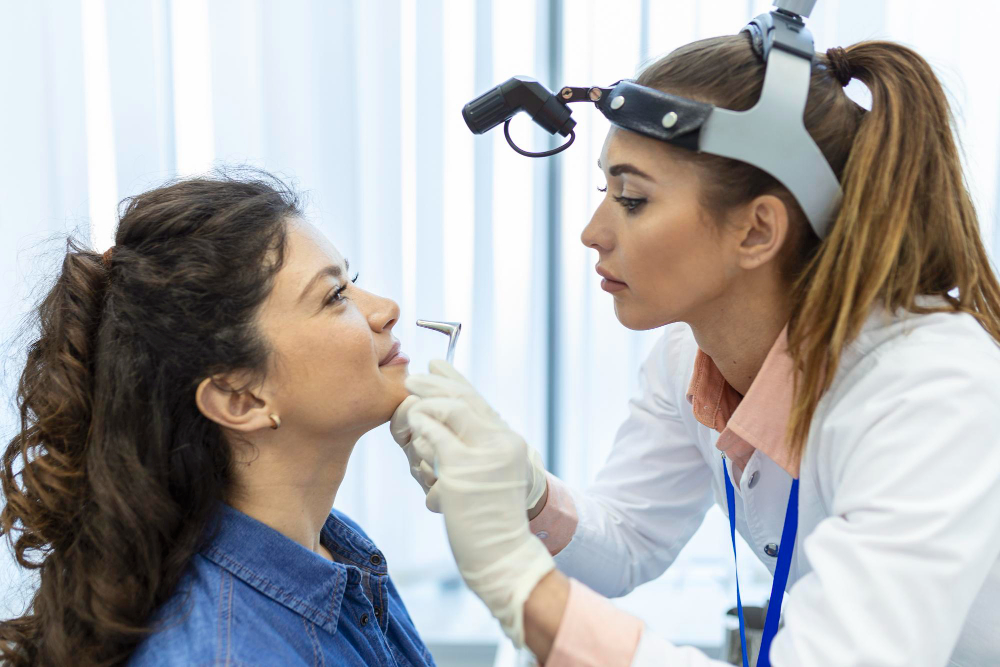
Doctors use several methods to diagnose nasal polyps. First, they may ask about your symptoms and medical history. Next, they will examine your nose with a lighted tool. Sometimes, they use a thin camera called an endoscope to see deeper inside. In some cases, your doctor may order a CT scan or MRI. These tests help show the size and location of the polyps. Because other conditions can cause similar symptoms, proper diagnosis is important.
What Is Nasal Polypectomy?
Nasal polypectomy is a surgery to remove nasal polyps. During this procedure, an ENT specialist uses special tools to take out the growths. Usually, the doctor performs the surgery through your nostrils, so there are no cuts on your face. The procedure often takes less than an hour. Because it is done under local or general anesthesia, you will not feel pain during the surgery. Nasal polypectomy is a common treatment for nasal polyps that do not improve with medicine.
Benefits and Potential Risks of Nasal Polypectomy
Nasal polypectomy offers many benefits. For example, it can:
However, as with any surgery, there are some risks. These may include:
Because risks are rare, most people recover well. Still, it is important to discuss all options with your doctor before choosing nasal polyps surgery.
Recovery and Aftercare Tips
After nasal polypectomy, most people go home the same day. However, you may feel some mild discomfort or stuffiness. To help your recovery, your doctor may suggest:
Because follow-up visits are important, always attend your scheduled appointments. If you notice heavy bleeding, fever, or severe pain, contact your doctor right away.
Prevention and Lifestyle Guidance
While you cannot always prevent nasal polyps, some steps may lower your risk. For instance, you can:
Because regular check-ups help catch problems early, see your ENT specialist if symptoms return.
Conclusion
Nasal polypectomy is a safe and effective treatment for nasal polyps. It can improve breathing and quality of life. However, every person is different. Consult Dr. Sharif Mohammed at The ENT Care & General Hospital for personalized advice on nasal polyps and treatment options.