Introduction: What Is Septoplasty?
Septoplasty is a type of ENT surgery for a deviated septum. The septum is the thin wall inside your nose. It divides the left and right sides. Sometimes, this wall is crooked or bent. This is called a deviated septum. Because of this, you may have trouble breathing. Septoplasty helps fix this problem. The main goal is to make breathing easier and improve your quality of life. Many people choose septoplasty for better breathing and comfort.
Symptoms and Problems Caused by a Deviated Septum
When your septum is not straight, you may notice several symptoms. For example, you might have:
Additionally, a deviated septum can make allergies worse. It can also affect your sleep. Because of these problems, daily life may feel harder. If you notice these signs, you are not alone. Many people face these issues before seeking help.
How Septoplasty Improves Breathing
After septoplasty, many people notice they can breathe much better. The surgery straightens the septum. As a result, air flows more freely through both sides of the nose. This means you get more oxygen with each breath. Even at night, you may sleep better. For example, less snoring and fewer breathing pauses can occur. Because of these changes, septoplasty benefits your overall health. Studies from trusted sources like the CDC show that better breathing can boost energy and focus.
Quality of Life Benefits After Septoplasty
Improving quality of life after septoplasty is common. Many people feel more rested and alert. You may notice:
Because breathing becomes easier, you can exercise and play more. In addition, you may feel less stressed. For many, these changes make a big difference in daily life.
The Septoplasty Procedure: What to Expect
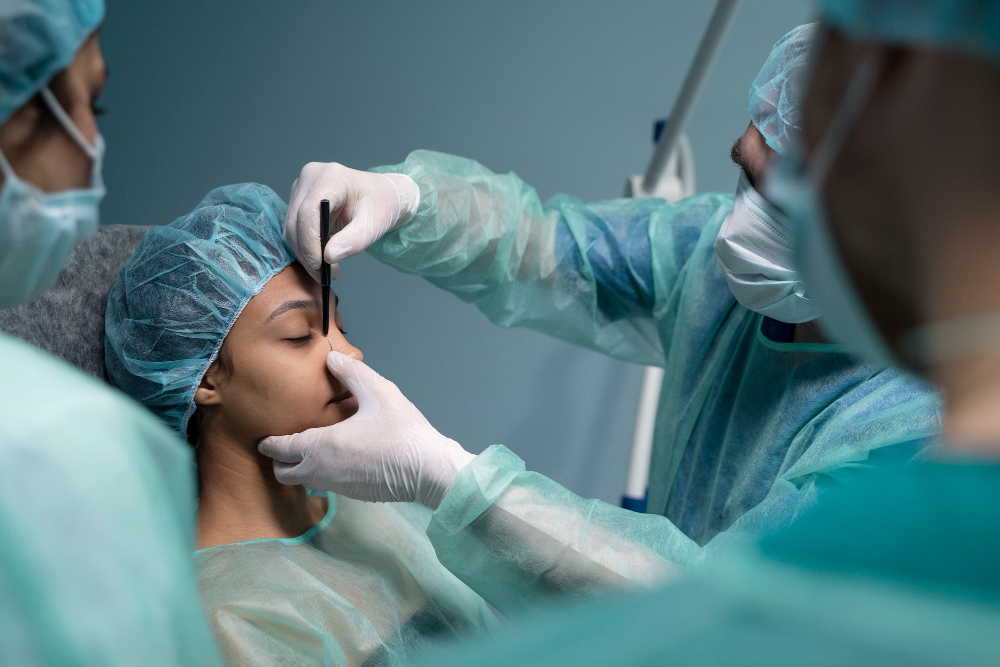
Before surgery, your ENT specialist will explain the steps. Usually, septoplasty takes about one hour. You will get local or general anesthesia, so you do not feel pain. The doctor makes small cuts inside your nose. Then, they straighten or remove the bent parts of the septum. No scars show on the outside. Most people go home the same day. Because the surgery is safe and common, risks are low. However, your doctor will discuss any possible side effects with you.
Recovery and Aftercare Tips
After septoplasty, you will need some time to heal. Most people feel better within a week. To help your recovery, follow these tips:
Because swelling and mild discomfort are normal, do not worry. If you notice heavy bleeding or fever, call your doctor right away. With good care, most people heal quickly and enjoy the benefits of septoplasty.
Prevention and Lifestyle Guidance
While you cannot always prevent a deviated septum, you can protect your nose. For example, wear a helmet during sports. Also, avoid injuries to your face. If you have allergies, manage them with your doctor’s help. Because healthy habits support healing, eat well and stay hydrated. In addition, avoid smoking, as it can slow recovery. These steps help you enjoy the full benefits of septoplasty for better breathing.
When to Consult an ENT Specialist
If you have trouble breathing, frequent nosebleeds, or sinus infections, it may be time to see an ENT specialist. Early advice can help you decide if septoplasty is right for you. Because every person is different, your doctor will check your nose and discuss your symptoms. Do not wait if your symptoms affect your daily life. An ENT specialist can guide you toward the best treatment.
In summary, septoplasty can improve breathing and quality of life for many people. Consult Dr. Sharif Mohammed at The ENT Care & General Hospital to learn if septoplasty is right for you.