Introduction
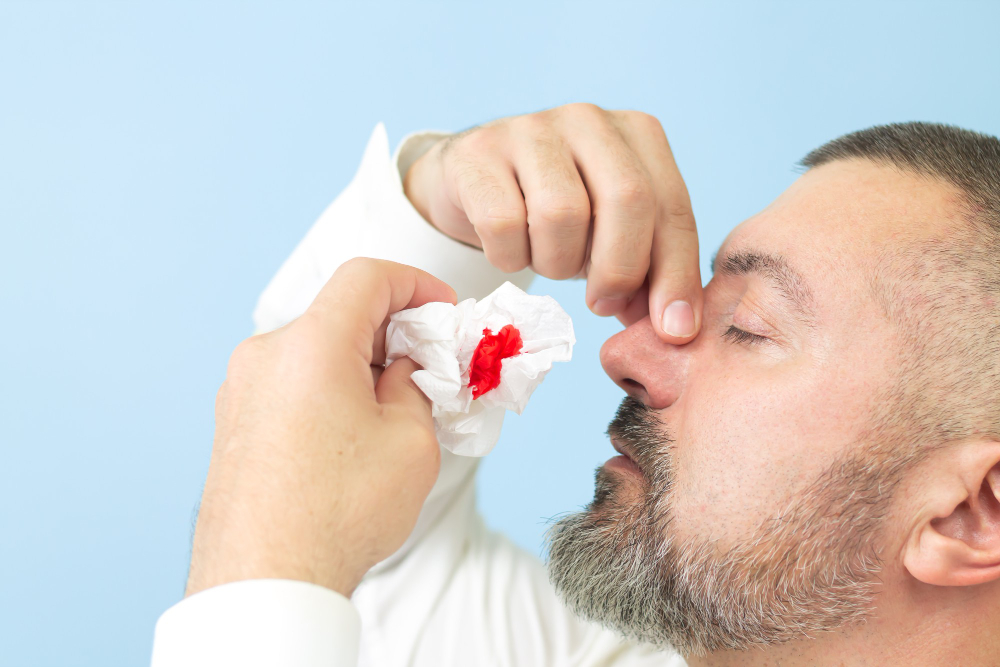
Epistaxis, also known as a nosebleed, is a common problem. Many people experience it at some point in their lives. Although most nosebleeds are not serious, they can be scary. In this blog, you will learn about epistaxis, its causes, symptoms, diagnosis, treatment, and ways to prevent nosebleeds. If you want to know how to stop a nosebleed or what to do at home, keep reading.
What is Epistaxis?
Epistaxis means bleeding from the nose. It can happen to anyone, but it is more common in children and older adults. Usually, the bleeding comes from the front part of the nose. Sometimes, it can come from deeper inside. While most nosebleeds stop on their own, some may need medical care. Knowing the basics helps you stay calm and act quickly.
Common Causes
There are many nosebleed causes. Some are simple, while others may need a doctor’s attention. Here are the most common reasons:
Because many things can cause epistaxis, it is important to notice when and how often it happens.
Recognizing Symptoms
Most nosebleeds are easy to spot. However, some signs may be less obvious. Look for these symptoms:
Sometimes, you may see blood when you blow your nose. If bleeding is heavy or lasts longer than 20 minutes, it is important to seek help.
Diagnosis
Doctors usually diagnose epistaxis by asking about your symptoms and medical history. They may also look inside your nose. Sometimes, they use a small light or a special tool. If nosebleeds happen often, your doctor may order blood tests. These tests help check for bleeding problems or other health issues. In rare cases, imaging tests like X-rays may be needed.
Treatment Options
Most nosebleeds can be treated at home. Here are some steps for epistaxis treatment at home:
Do not tilt your head back, as this can cause blood to go down your throat. If bleeding does not stop, you may need medical help. Doctors can use special sprays, pack the nose, or cauterize (seal) the bleeding spot. In some cases, they may adjust your medicines or treat underlying conditions.
Prevention Tips
Preventing nosebleeds is possible with a few simple steps. Try these tips:
Because prevention is easier than treatment, these habits can help reduce your risk.
When to Seek Medical Help
Although most nosebleeds are not dangerous, some need a doctor’s care. Seek help if:
Early medical attention can prevent complications and help find the cause.
Conclusion
Epistaxis, or nosebleeds, are common and often harmless. However, knowing the causes, symptoms, and treatment options can help you manage them safely. Because prevention is key, follow the tips above to reduce your risk. If you experience frequent or severe nosebleeds, consult an ENT specialist at The ENT Care & General Hospital for personalized care.